

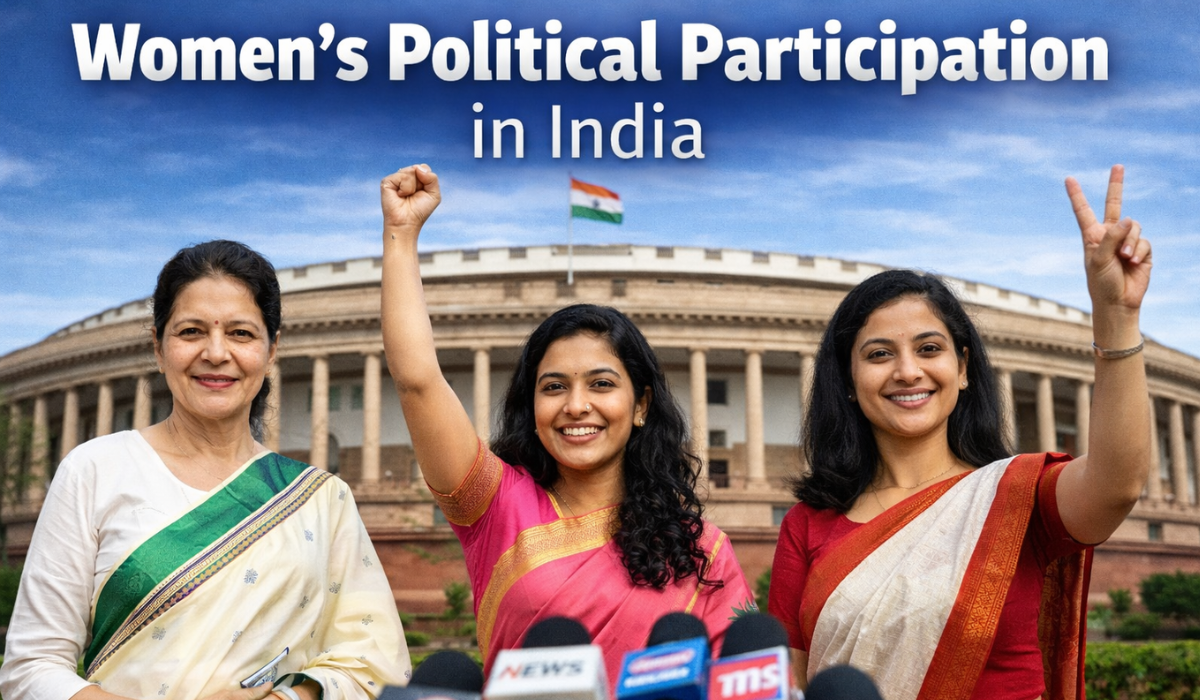
Women’s political participation in India has emerged as a significant issue in recent years, given the ongoing discussions on gender equality, democratic representation, and inclusive governance. Bowen, one of the moderators, reflected on these observations: “As the world’s largest democracy, India has come a long way to provide avenues for women in politics but faces many challenges.” Women’s political participation in India is a study in both promising advances and ongoing struggles from grassroots work within local governments to increasing representation within national institutions.
Recent political developments, new legislation and greater public awareness have shed renewed light on the issue. Strengthening women’s political participation in India is crucial not only for gender equality but also for better governance, better policy delivery and increased democratic accountability, experts.
Historical Background of Women in Indian Politics
Women’s participation in politics has a history in India that dates back to the freedom struggle itself, where numerous women took part in protests, movements and campaigns against colonial rule. Such leaders as Sarojini Naidu, Aruna Asaf Ali and Vijaya Lakshmi Pandit have had an immense impact on India’s political discourse.
The Indian Constitution gave women equal voting rights after independence in 1947. This was a notable achievement, as many nations did not see universal suffrage until much later on. Though this was a progressive start, women’s political participation in India for decades continued to be constrained by social norms, economic obstacles and male-dominated political structures.
India went through significant events, including the election of Indira Gandhi as Prime Minister. Her leadership represented a potential for women in political leadership, but not an instant excess of women across political institutions.
Read Also: Narendra Modi: India’s Prime Minister, Age, Education, Salary, Net Worth, Religion & Wife
Current Representation in Parliament
Over the past few years, the political representation of women in India has slowly been on the rise in Parliament. As many as 14 per cent of seats in the Lok Sabha and Rajya Sabha are now occupied by women, according to official data. However, among worldwide democratic countries, their representation remains lower than the global average.
During the 2019 general elections, a record number of women were elected to Parliament, indicating an encouraging trend for women’s political engagement in India. According to political analysts, the number of women candidates contesting elections now is much greater than in earlier decades.
Yet women continue to comprise only a fraction of total elected representatives at the national level. Many argue that in order to deepen women’s political participation in India, stronger policy measures are required.
The Women’s Reservation Bill: A Major Policy Debate
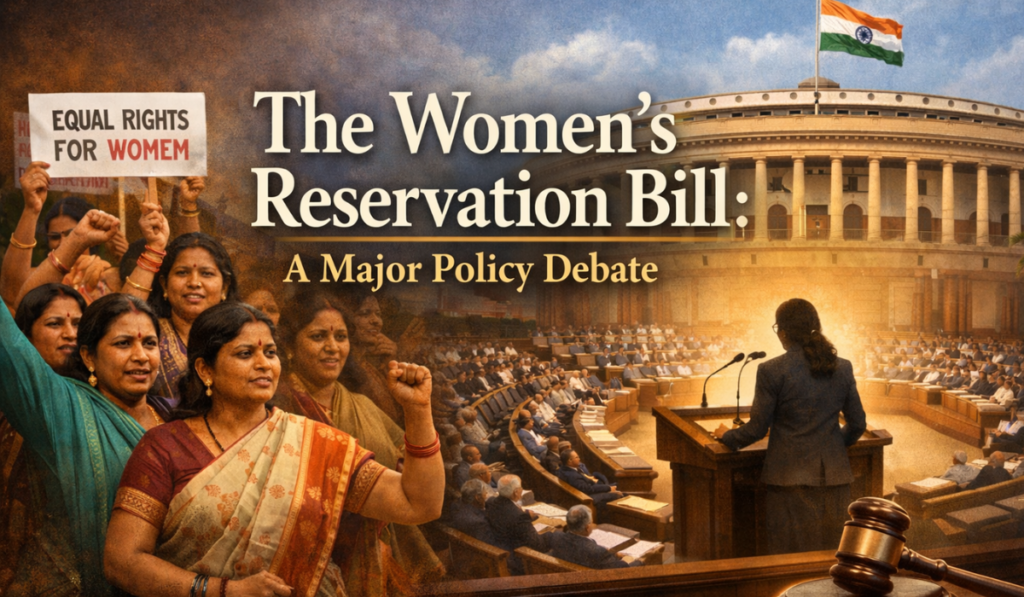
Debates surrounding the Women’s Reservation Bill have arguably been one of the biggest advancements impacting women’s political participation in India. The bill would reserve one-third of seats in Parliament and state assemblies for women.
The bill has gained traction in the political circle, and many leaders from various parties have supported the same. More female representatives ensure greater political participation of women in India: Activists believe that the reservation policy implementation would have a great impact on women’s representation at various levels.
Defenders say such reforms will help rectify historic gender lopsidedness in politics. But critics say it is not enough: political parties in India need to undergo structural reform as well if India wants to increase women’s participation in politics.
Even against debates and delays over several years, the issue has never failed to make it through on the political stool in India.
Grassroots Leadership and Local Governance
India’s women in politics may have a long way to go on the national stage, but they are winning big at local levels. 73rd, 74th Constitutional Amendments: Reservation For Women In Panchayati Raj Institutions
Today, millions of women are elected representatives in village councils, municipalities and district administrations across India. These reforms have led to an explosive increase in women’s political participation throughout India, especially in rural areas.
At the local level, studies show that women leaders have been instrumental in enhancing education, sanitation, health care and community welfare programs. Their leadership illustrates how enhanced women’s participation in the new parliament of India can yield better governance outcomes.
Recent News and Political Developments
Recent political developments have made the dynamic nature of women’s political participation in India apparent. A record number of women are running for and winning legislative elections in multiple states. Female voters and leaders are now being paid more attention to by political parties.
Brace yourselves for the 2100 elections: Women in Parliament. Women can now be successfully elected to a reservation, thanks to the Women’s Reservation Bill by the BJP in Parliament this political season. The law seeks to guarantee that women’s representation in legislative bodies increases as delimitation processes are completed.
Political observers see this move as a significant step toward bolstering women’s political participation in India. But they also underline the importance of doing it well and having a supportive political context.
Many more women leaders are emerging in national and regional politics, actually. Their increased visibility in political debates, social movements and election campaigns also marks a shifting attitude toward women’s political participation in India.
Read Also: Teen Stabbed to Death in Gurugram Over ₹3,000 Loan Dispute
Role of Political Parties
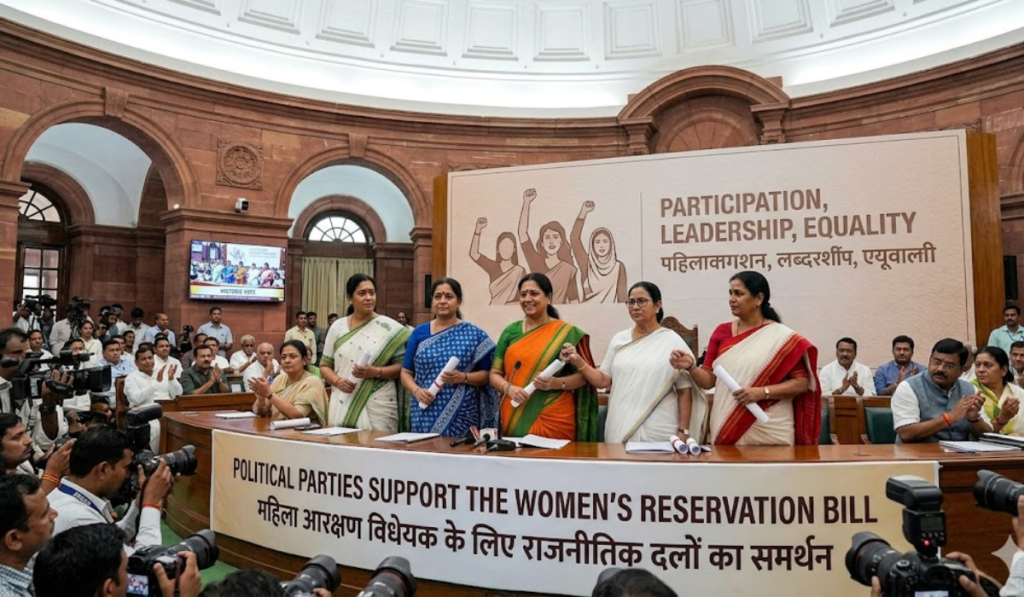
One of the key institutions that defines women’s political participation is Political Parties. Candidate selection, campaign financing and avenues of leadership often depend on party structures.
All parties vowed to have more women candidates in the elections. But critics say those promises haven’t always led to meaningful action.
However, experts believe that women’s political participation in India needs to be strengthened by focusing on reforms inside parties. This has a complementary role to drive an inclusive culture, making sure female leadership becomes a natural trajectory in party organisations.
Some political parties have begun programs for mentoring, leadership training, and gender equality policies to support women’s political participation in India.
Social and Cultural Barriers
India Women’s Political Participation: Challenges and Prospects Despite Policy Gains. Social norms, family responsibilities and gender stereotypes push women away from politics.
Even in many communities, politics was just seen as a male-dominated space. And similar barriers may come for women candidates with respect to campaign funding, safety challenges and narrow political connections.
Women’s political participation in India is closely linked to their education and economic empowerment. Women with advanced education and financial independence are more likely to participate in political, public life and leadership.
These social barriers must be addressed if the intent is to expand women’s political participation in India, irrespective of which region or community they belong to.
Media Representation and Public Perception
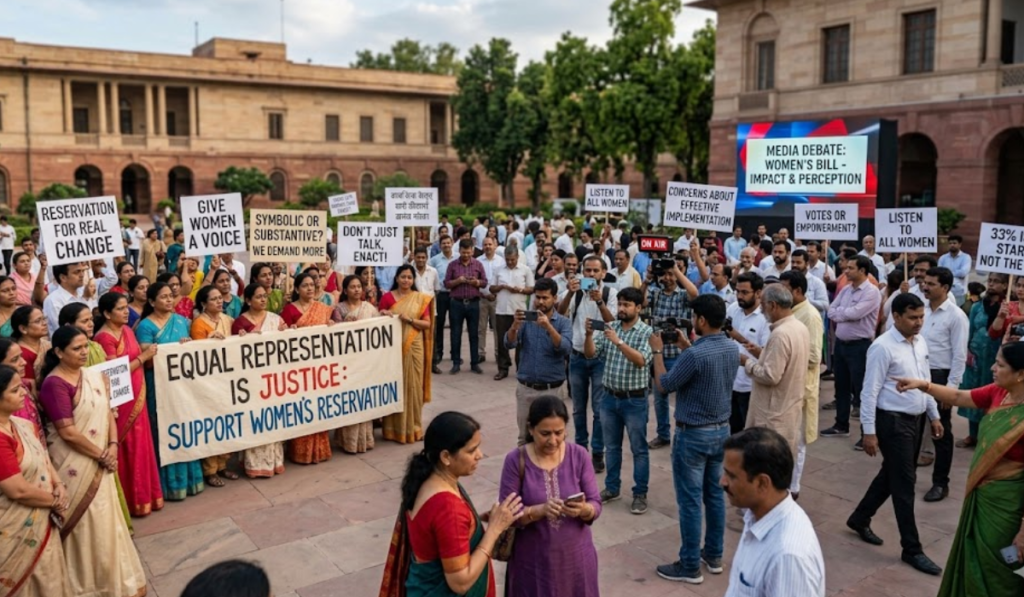
Coverage in the media has a crucial influence on the attitudes of people towards women’s political participation in India. But seeing women lead like this encourages other women to give serious thought to entering politics.
Critics, though, suggest media narratives about women politicians often centre on personal aspects rather than policy accomplishments.
Balanced coverage restoration and emphasis on female leadership success may help strengthen public support for women’s political participation in India.
Read Also: Delhi Businessman Killed Over Financial Dispute, Body Dumped in Faridabad; 2 Held
The Role of Education and Youth
The wave of young voters and educational institutions is emerging as drivers of women’s political participation in India. More and more universities, civic organisations, and youth movements are called to strengthen the presence of women in political leadership.
Such programs that help young women with leadership training, participation in debates and civic engagement can go a long way to helping with women’s political participation in India over the next few decades.
The rise of digital communication through social media has also opened the door for women leaders to connect directly with voters and call for mobilisation.
Global Comparisons
Despite performing better than many countries globally, this still places India behind some with a higher percentage of women in political representation. Countries like Rwanda and Sweden have much higher rates of female representation in their legislatures.
Quotas, institutional reforms, and leadership development programs are often raised as concrete measures to improve women’s political participation in India by international agencies and policy experts. By understanding global best practices, India can frame policies that reinforce gender equality in politics.
Future Prospects
Women’s Political Participation Makes Indian Democracy More Inclusive and Representative. The prospects for women’s political participation in India are promising as more women take on roles in civil society, hold public office, and lead the fight for social justice.
In the coming years, reservation implementation policies will attract more and more voters to offer their support in order for them to experience greater advocacy for gender equality.
Technology, digital platforms and youth engagement can do much to propel the next phase of women’s political participation in India.
More women at the decision-making table will lead to more balanced framing and policies, better democratic institutions and improved social outcomes, according to experts.
Conclusion
To sum it up, the advancement of political participation of women in India since independence has been creditable, but there is still a long way to go towards complete political equality between genders. From local politics to national leadership, women are slowly reforming India’s political framework.
Developments of recent legislation, increasing public consciousness and upcoming women leaders point toward a gradual yet positive change in the scenario that will enhance the strength of political participation among women in India. Yet, dismantling social barriers, integrating stronger political party pledges and ensuring implementation of policies are still huge strides ahead.
Empowering women in politics will be a cornerstone for India as it grows into a thriving democratic society, further establishing a more integrative and egalitarian political atmosphere. Ending the barriers to women’s political participation in India is not only a question of gender justice but also indispensable for sustainable democratic development.
Read Also: Delhi Man Killed During Holi Water Balloon Fight